

Cancer Doesn’t Check for an Address. Neither Should Care.


Cancer doesn’t ask where you slept last night.
It doesn’t check whether you have a mailing address, a working phone, a car, or a shower. It shows up the same way for everyone.
But the care that follows a diagnosis often does depend on those things. And for the hundreds of thousands of people living without a home, that gap can be the difference between life and death.
The good news is that it doesn’t have to be. There are options. There are proven approaches. And there is help, for anyone who needs it.
A story that shows what’s possible

A woman in her 40s found a lump in her breast. She was living on the beach.
Her diagnosis was breast cancer. Her treatment, surgery followed by radiation, was standard. Her circumstances were not.
Her only contact with her care team was a phone with spotty reception.
Her surgical wound had to heal in sand and heat. Clean water and regular meals weren’t guaranteed. And radiation meant returning for treatment, week after week, with no home to rest in.
She completed every step.
Today she is cancer-free.
Her story isn’t rare because she was unhoused. It’s rare because the system bent to fit her life, and that should be the norm, not the exception.
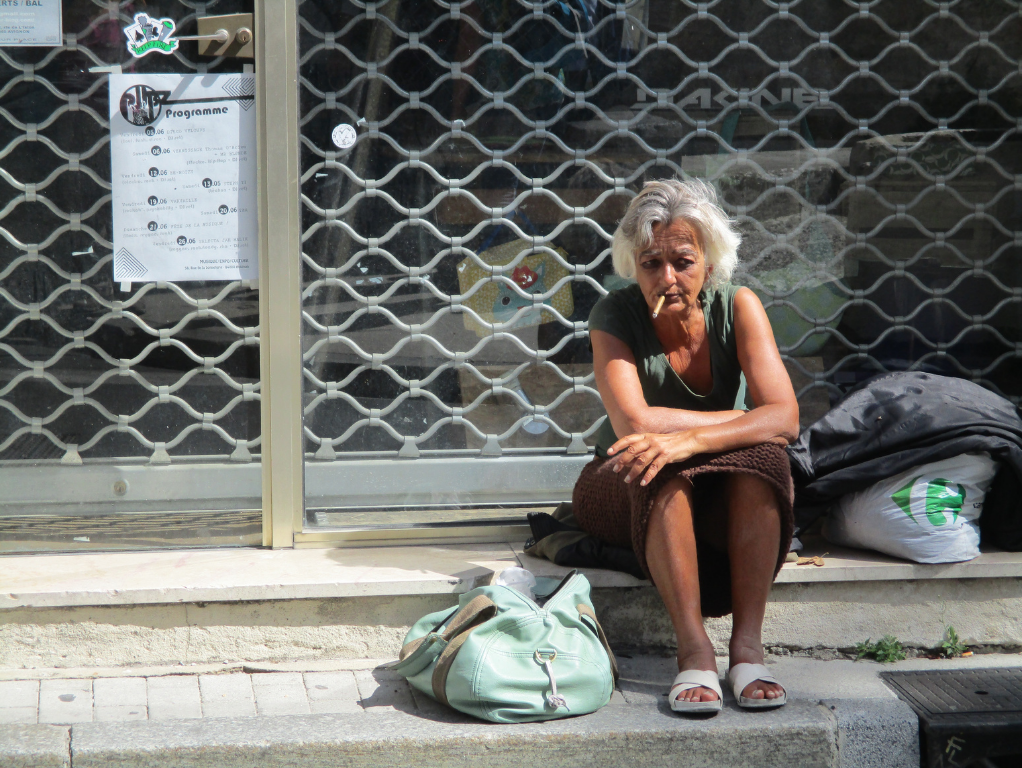
Why cancer care is harder without a home
Most cancer care quietly assumes that a patient can:
Be reached by phone or mail
Get to appointments, often again and again
Heal somewhere clean and safe after surgery
Eat well and stay hydrated during treatment
Keep documents, medications, and records safe
Plan ahead for next week’s visit
For people experiencing homelessness, few of these are guaranteed.
That’s why they are less likely to be screened, more likely to be diagnosed late, and why cancer is among the leading causes of death for homeless adults in midlife.
None of these barriers are about the cancer itself. Every one can be solved.

If you are living without a home: you have options
If you’re experiencing homelessness, or worried about a lump, a symptom, or a screening you’ve missed, know this: you deserve care, and there are people and programs ready to help.
🏥 Free and low-cost clinics exist for you. Health centers that serve people experiencing homelessness, community health centers, and free clinics see patients regardless of income, insurance, or address.
📞 Call 2-1-1. In the US and Canada, dialing 211 connects you to local health, shelter, food, and transportation services.
🎗️ Free cancer screening is available. In the US, the CDC’s National Breast and Cervical Cancer Early Detection Program offers free or low-cost mammograms and Pap tests to women with low incomes. Many countries offer free screening through public programs.
🧭 Ask for a patient navigator. Many cancer centers have navigators or social workers whose job is to help with appointments, transportation, paperwork, and coverage. Just ask: “Do you have a patient navigator?”
🗣️ Tell your care team about your housing. It’s not something to be ashamed of. It helps them plan care that fits your life: shorter treatments, extra wound supplies, flexible scheduling, and a safe place to recover.
📱 Get help staying connected. Programs like Lifeline in the US help people with low incomes get phone service. Ask clinics if you can charge your phone there or use their address for messages.
🛏️ Ask about medical respite. Medical respite programs offer a safe, short-term place to recover after surgery or a hospital stay.
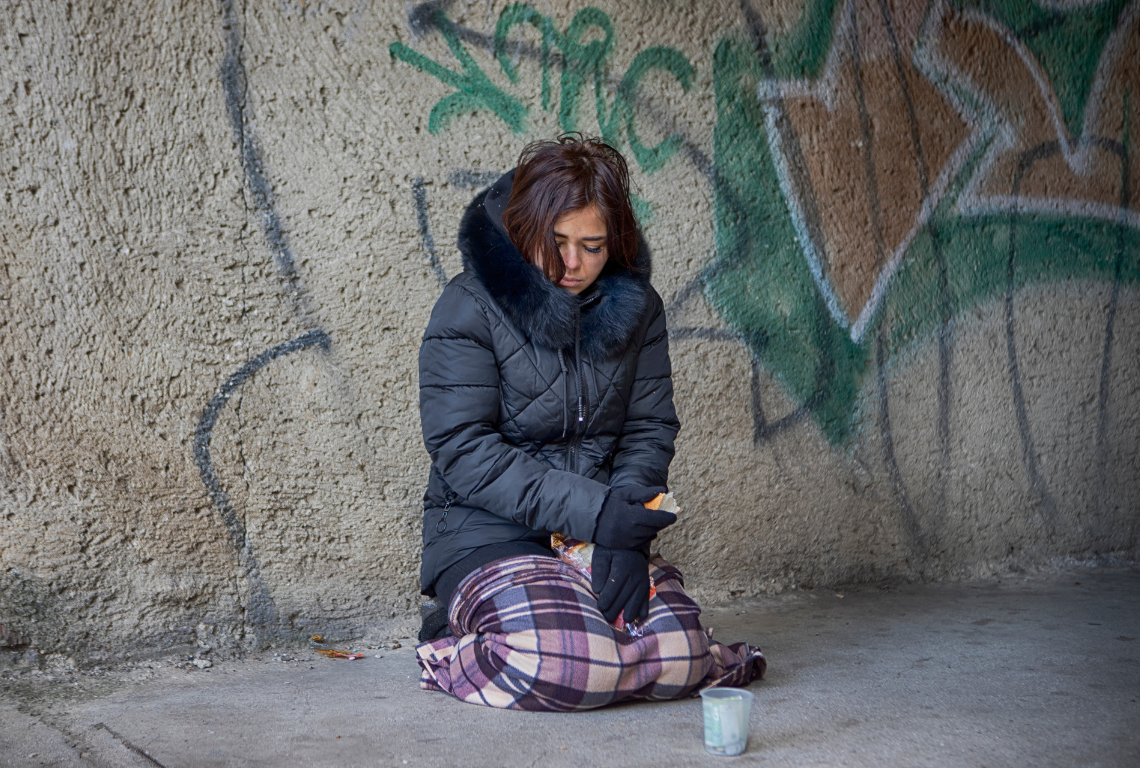
The approaches that work, for everyone who provides care
For clinicians, hospitals, shelters, and communities, the blueprint is already proven:
🧭 Patient navigation. When Dr. Harold P. Freeman launched the first navigation program at Harlem Hospital in 1990, five-year breast cancer survival rose from 39% to 70%.
🚐 Bring care to people. Mobile mammography at shelters. Street medicine teams in encampments. Clinics designed for unhoused patients.
📋 Remove paperwork walls. Help replace lost IDs and health cards, and enroll people in coverage they already qualify for.
⏱️ Shorten treatment when it’s safe. For many women with early breast cancer, modern radiation can be completed in 3–4 weeks, or even one, instead of 5–7. Fewer trips means fewer chances to fall through the cracks.
🩹 Design care for real life. Durable dressings and extra supplies to take with them. Simple warning signs. More frequent check-ins. Connections to clean water and meals.
🏠 Treat housing as health care. Housing First programs, proven in large studies in the US and Canada, along with medical respite beds, give people a place to heal.
🤝 Lead with dignity. Never shame a missed appointment. Practice trauma-informed care. Hire community health workers with lived experience.
The bottom line
Cancer doesn’t check for an address. Care shouldn’t either.
Whether you’re living without a home, caring for someone who is, or working in health care, the message is the same: there are options, there is help, and recovery is possible.
Where you sleep should never decide whether you live.

💙 Take Charge of Your Health, and Help Someone Else Do the Same
Free, confidential answers about cancer prevention, screening, treatment, and survivorship, from any phone, anytime. No appointment. No insurance. No address required.👉 askeddie.org
Build everyday habits that lower your cancer risk. Free, private, and created by a cancer surgeon.👉 getcancerless.org
Share this post with a shelter, clinic, outreach worker, or anyone who needs it. 💙
Patient details have been changed to protect privacy. This article is for educational purposes only and is not a substitute for professional medical advice.
Sources: HUD 2024 Annual Homeless Assessment Report · Baggett TP et al., JAMA Internal Medicine, 2013 · Harold P. Freeman Patient Navigation Institute · Mental Health Commission of Canada, At Home/Chez Soi · FAST-Forward trial, The Lancet, 2020 · CDC National Breast and Cervical Cancer Early Detection Program · 211.org / 211.ca · FCC Lifeline program


Comments